Interview with aquatic ecologist Peter Paul Schollema about Drentsche Aa

A few years ago, Knoop BV realized a stream bottom increase in the Drentsche Aa area. Together with aquatic ecologist Peter Paul Schollema of water board the Hunze and Aa, we look back at how the project went then and how it is now.

Reflection five years after brook bottom elevation in the Drentsche Aa-area

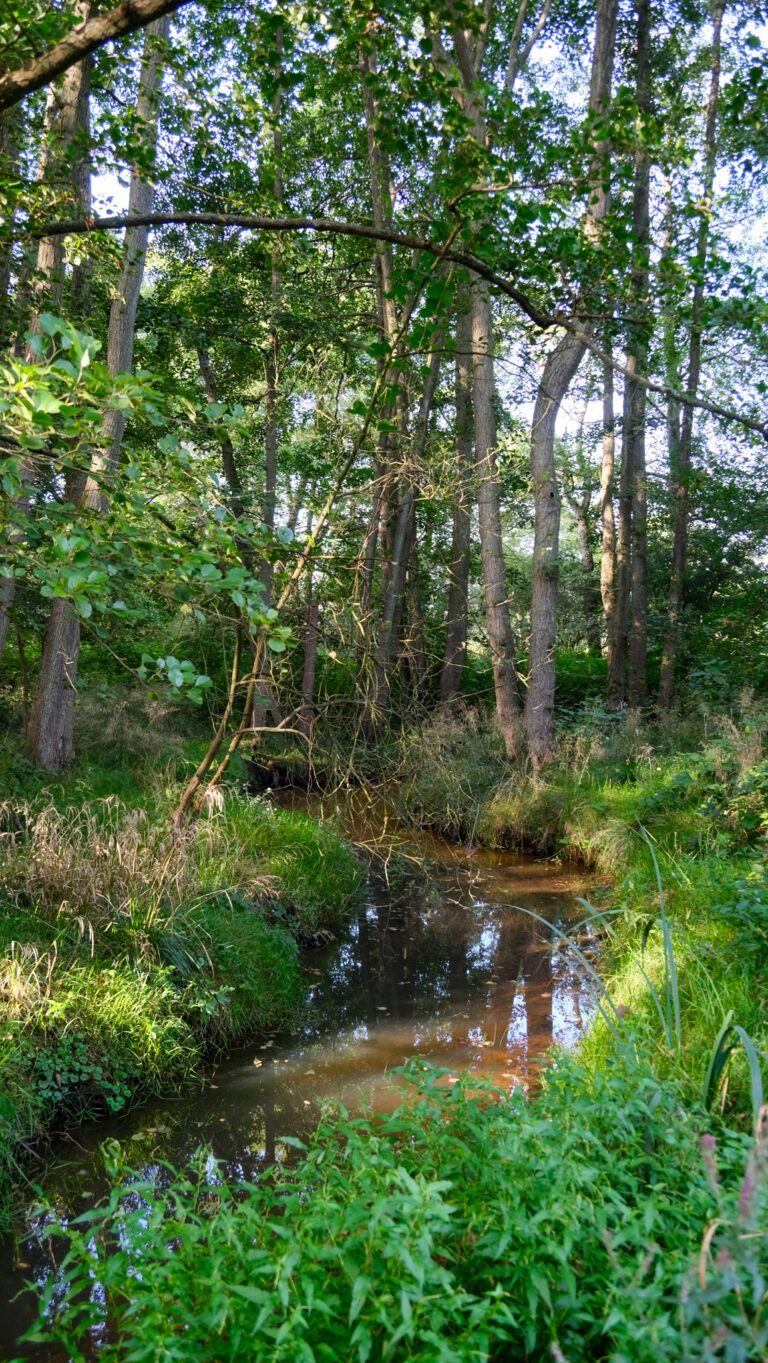
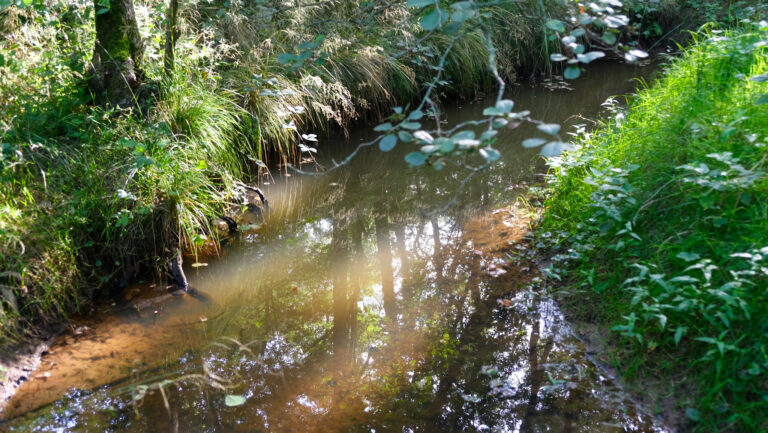
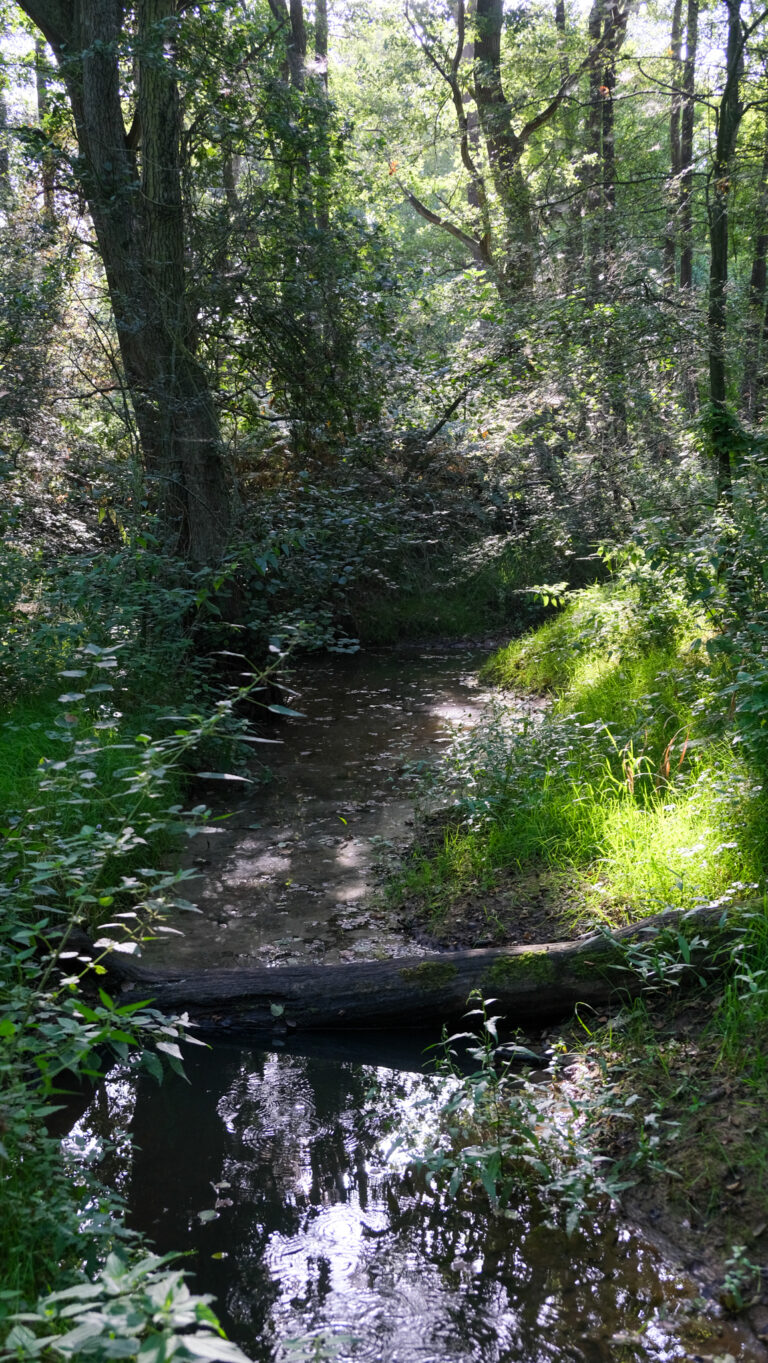
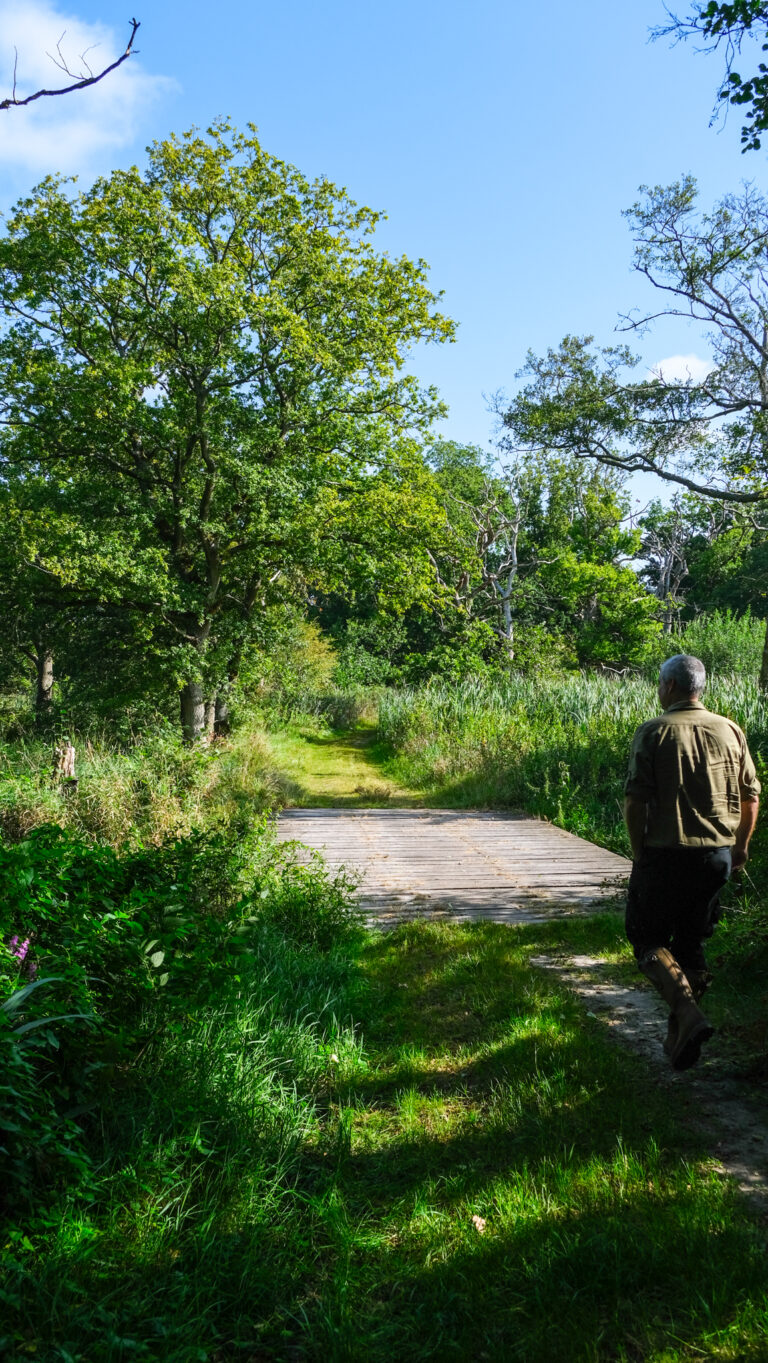
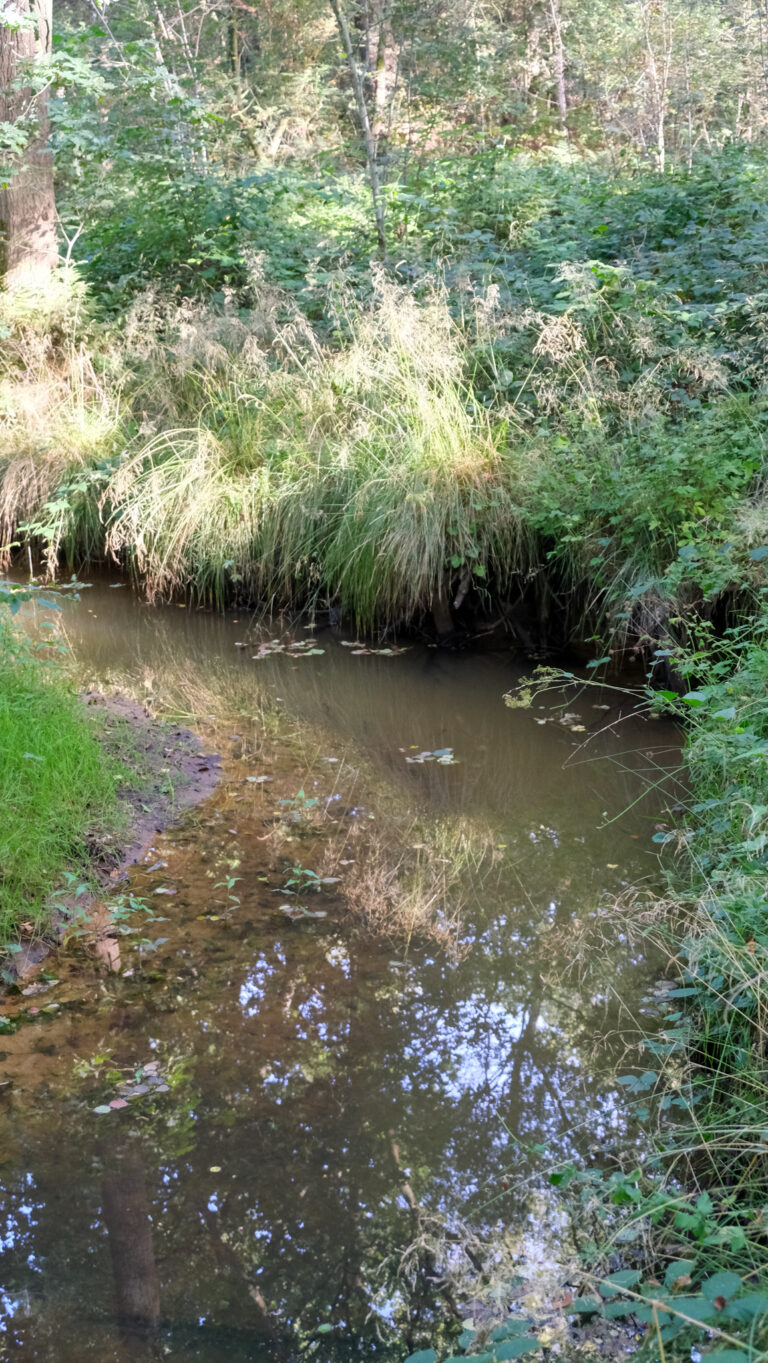
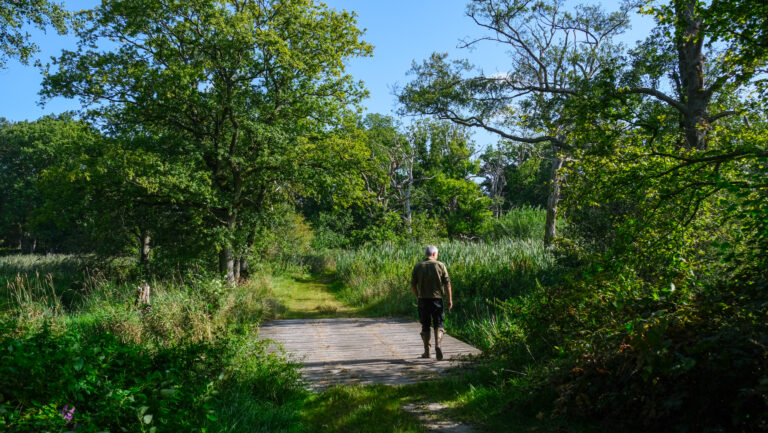
Under our feet is the soft murmur of running water. The Gasterensche Diepje meanders under the wooden bridge and here and there a leaf swirls from the trees. It is quiet, except for a few birds. “It’s beautiful here, isn’t it ” say two hikers who pass by with their dog.

Here, in the middle of the stream valley, we are standing at a special moment together with aquatic ecologist Peter Paul Schollema. Literally and figuratively.

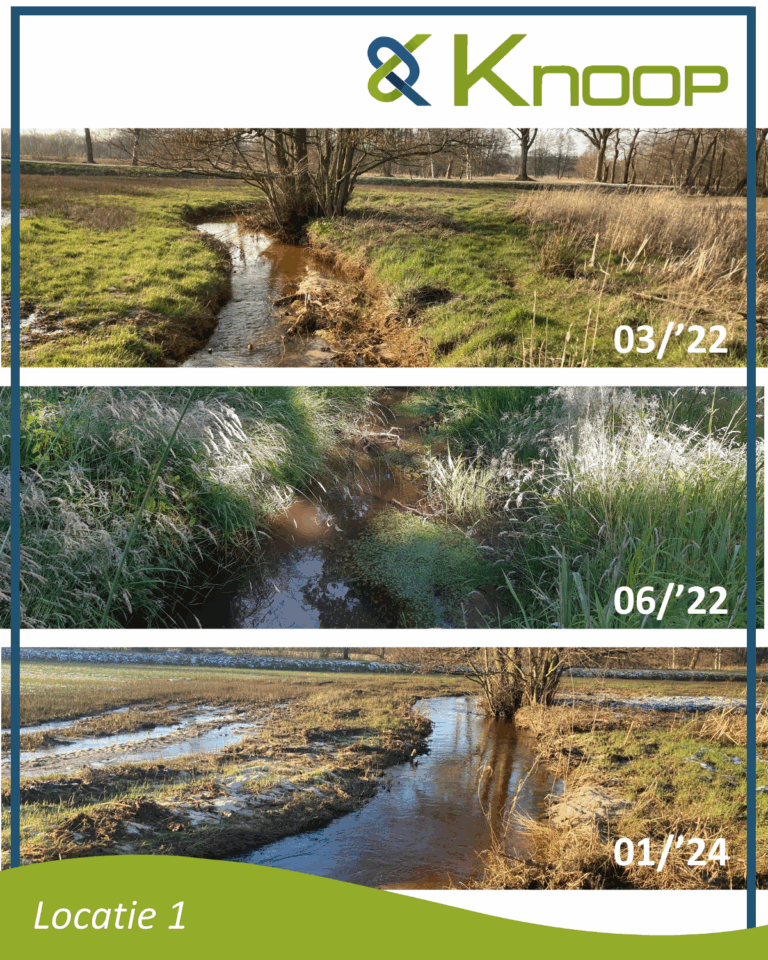
In 2020 and 2021, Knoop BV carried out three ecological pilots in this unique Natura 2000 area, aimed at increasing the brook bottom. Now, almost five years later, we look back with the aquatic ecologist of Hunze and Aa’s Waterschap. What did the procedure yield? What is alive again, what is left behind? And how did nature itself respond to this careful but drastic operation? “You have to imagine, ” says Peter Paul, “that such a stream will almost work as a drainage ditch in the summer. This is disastrous for nature reserves.

The stream literally began to empty nature

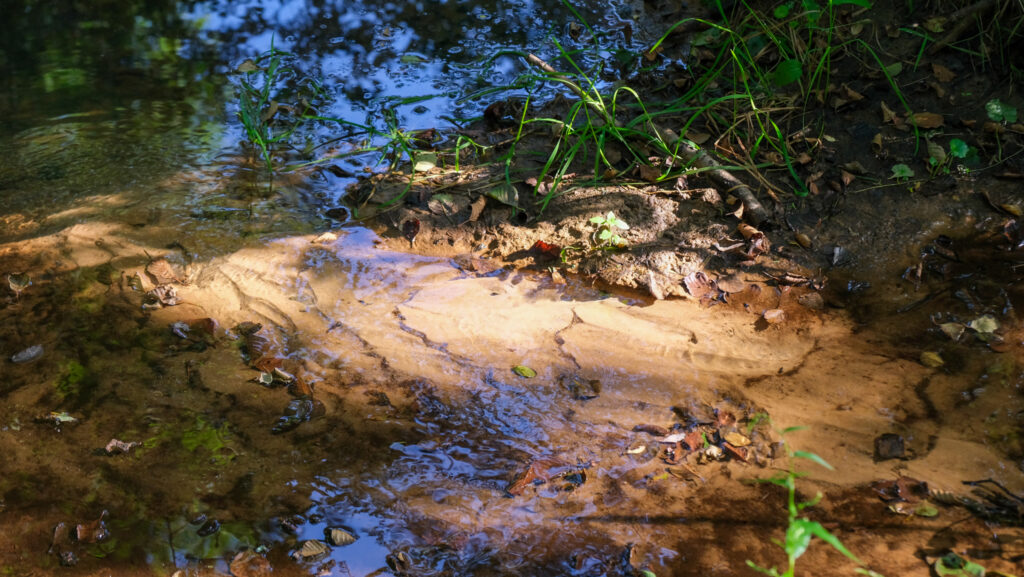
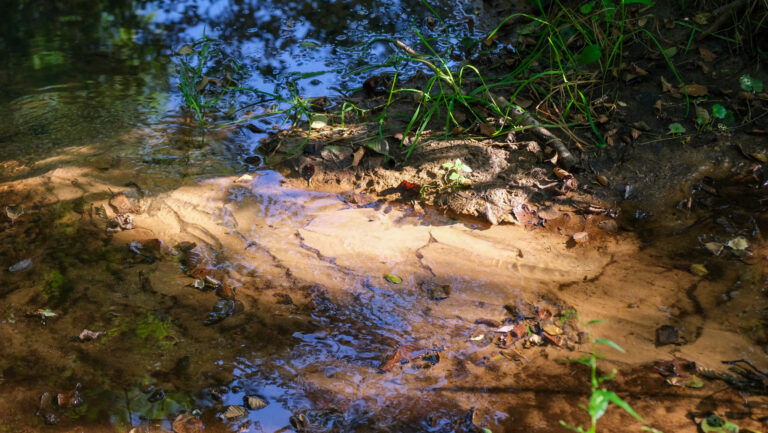
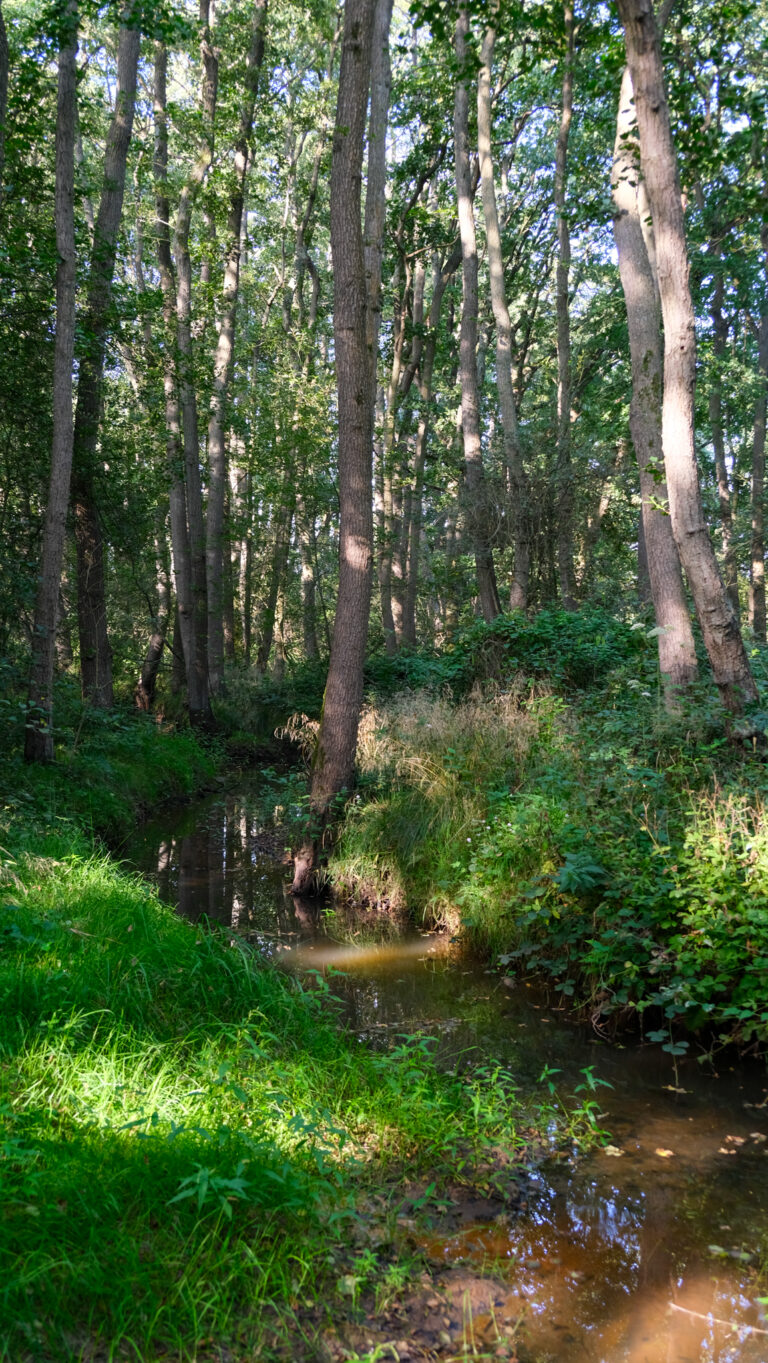
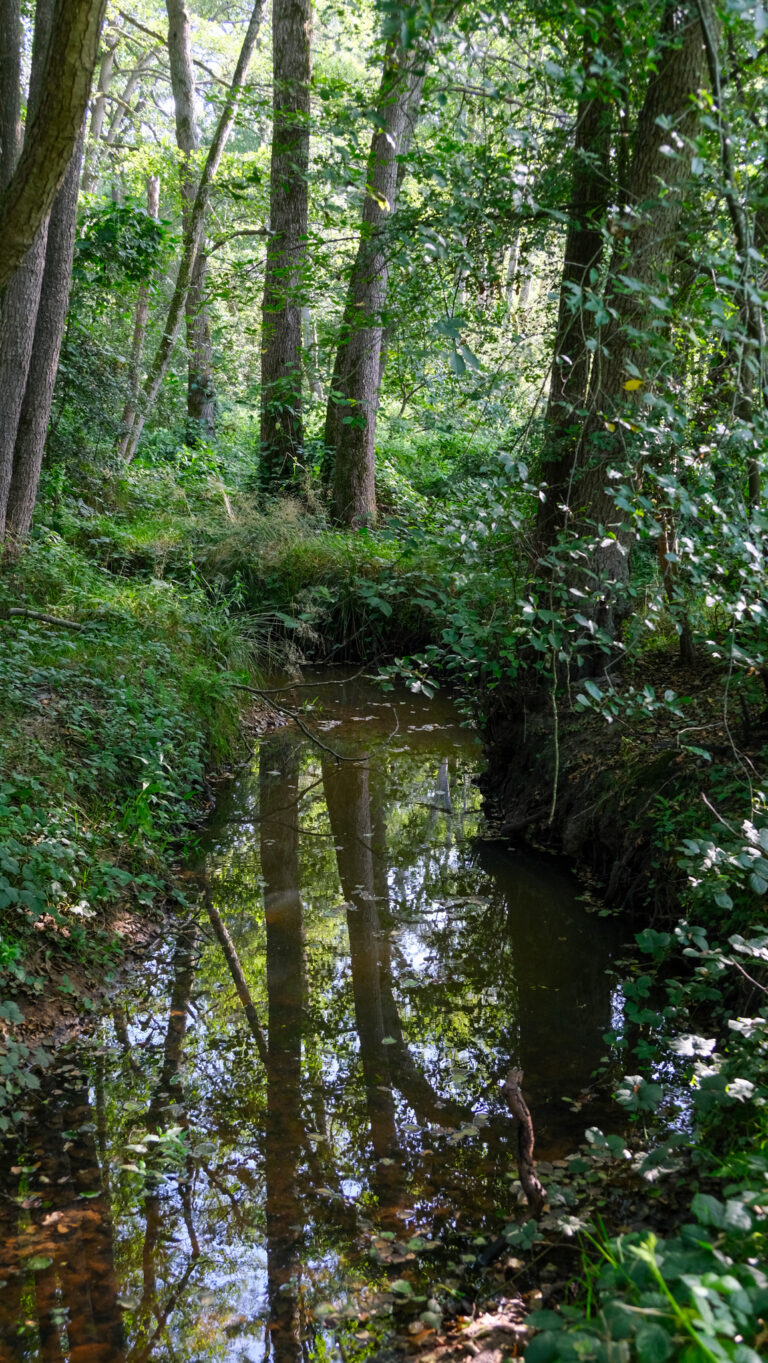
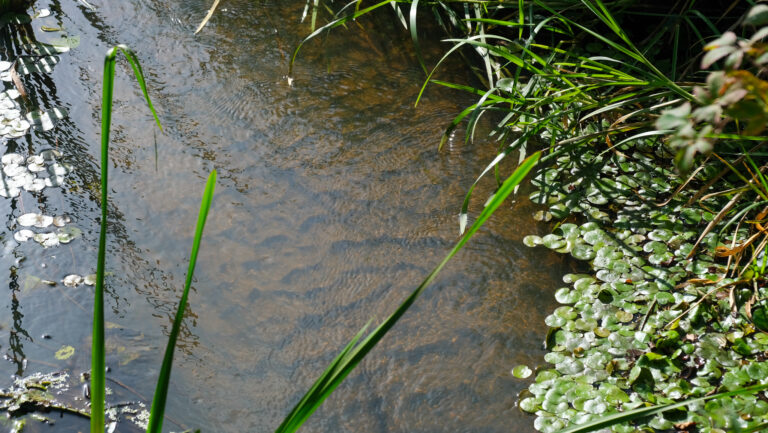
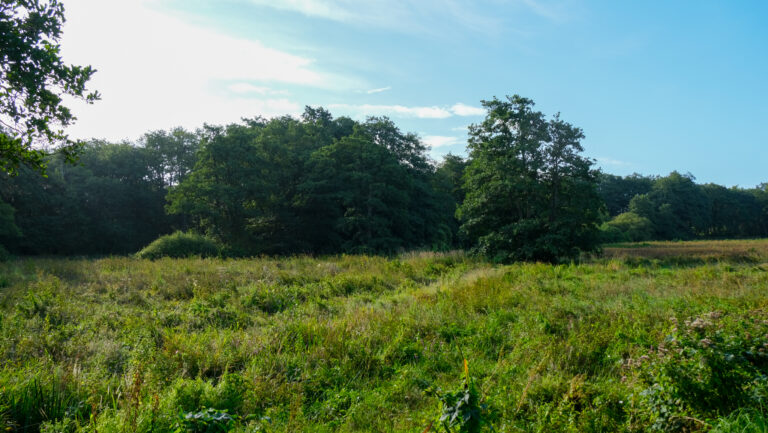
Drentsche Aa gebied, 5 jaar na bezoek, vol in groei en groen; zicht op een close-up foto van de vorming van het zand op de beek. Een deel is door de zon extra uitgelicht met eromheen afgevallen bladeren, grassprieten en verdwaalde takjes (foto landscape genomen)

The vulnerability of a bastion

The Drentsche Aa area is one of the last virtually untouched brook valley landscapes in the Netherlands. In many other areas, streams have been channeled, straightened or heavily influenced by agriculture and infrastructure. But here the original pattern was preserved and with results: fish species such as the serpeling and river prick are still swimming, plants such as meadowsweet and water mint bloom along the banks.

However, desiccation was also felt here. “We saw that the streams became deeper and deeper in the landscape, ” says Peter Paul. “And that means: sinking water levels in the summer, drying banks, decrease in sponsorship. The stream literally began to empty nature.

Technology with policy

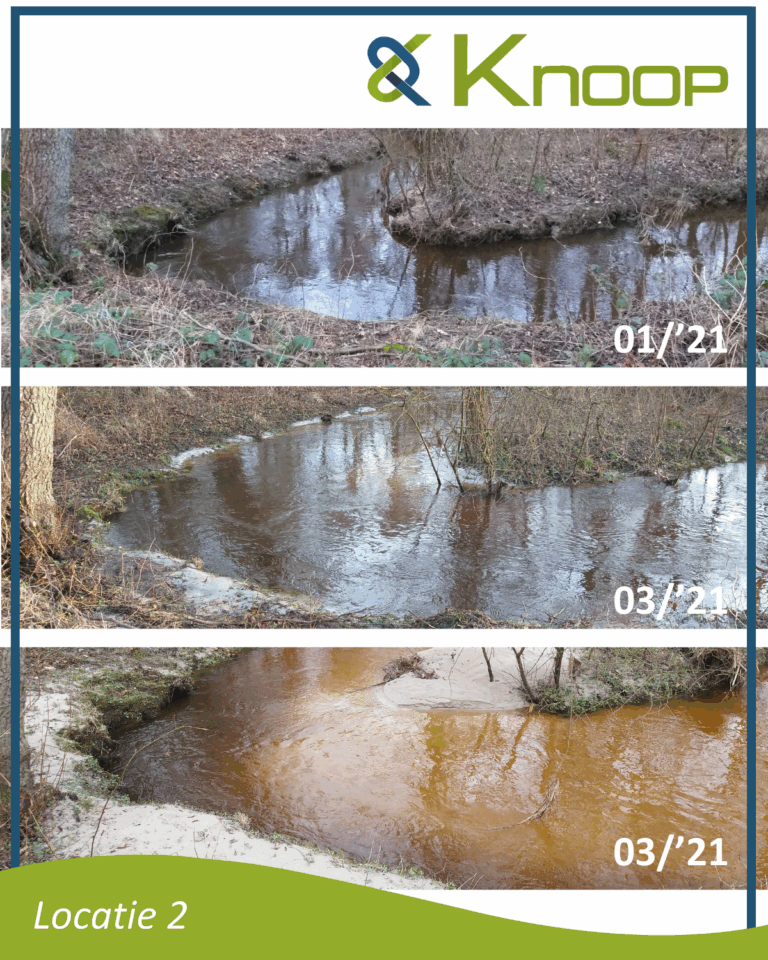
Knoop BV worked on an innovative solution together with the water board. Not through heavy equipment that would damage vulnerable banks, but through a sophisticated system: sand was mixed with water and brought into the stream via a press line. “Fair is fair, ” Peter Paul laughs, “at first I was skeptical. But it turned out to be brilliant. You avoid driving damage, work carefully, and can steer very precisely.

Geotextiles, amphibious machines, temporary ramps and winter versions made it possible to work with minimal disturbance, even in the wettest, worst accessible parts of the stream valley. The performance in the Zeegscherloopje, Anloërdiep and Taarlosche Diep went smoothly. But then it starts.

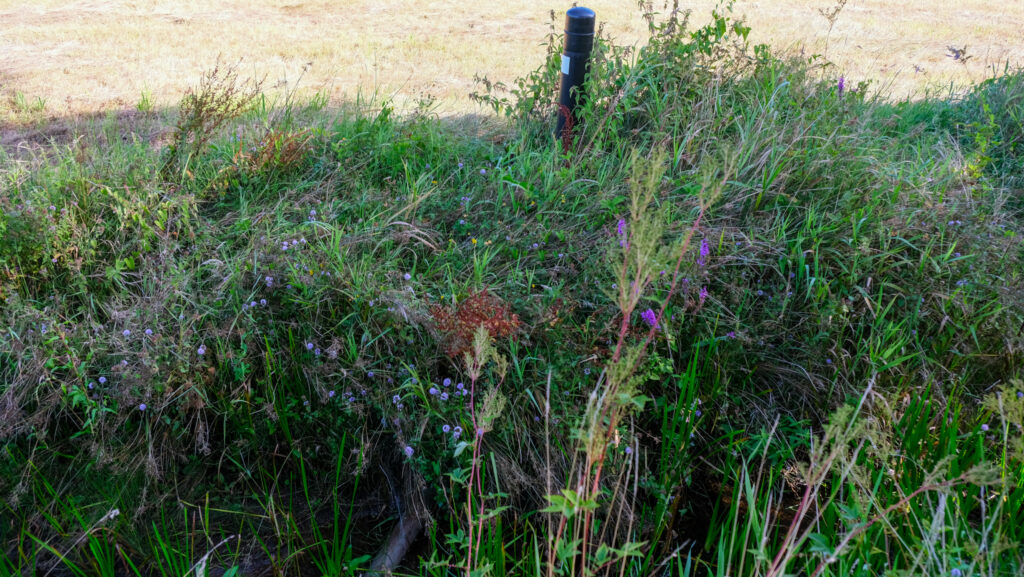
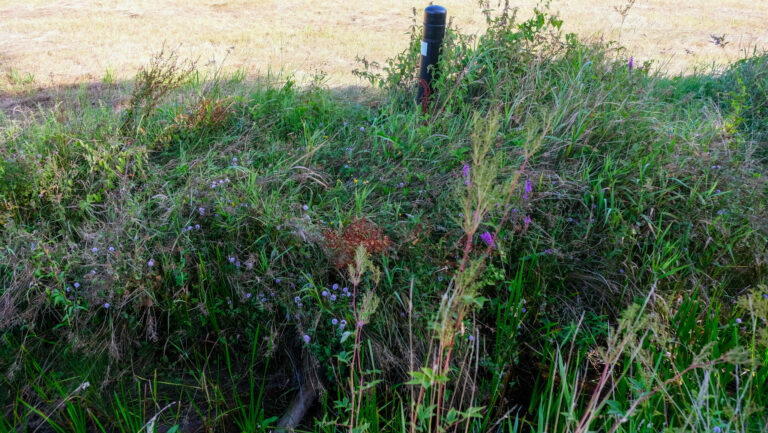
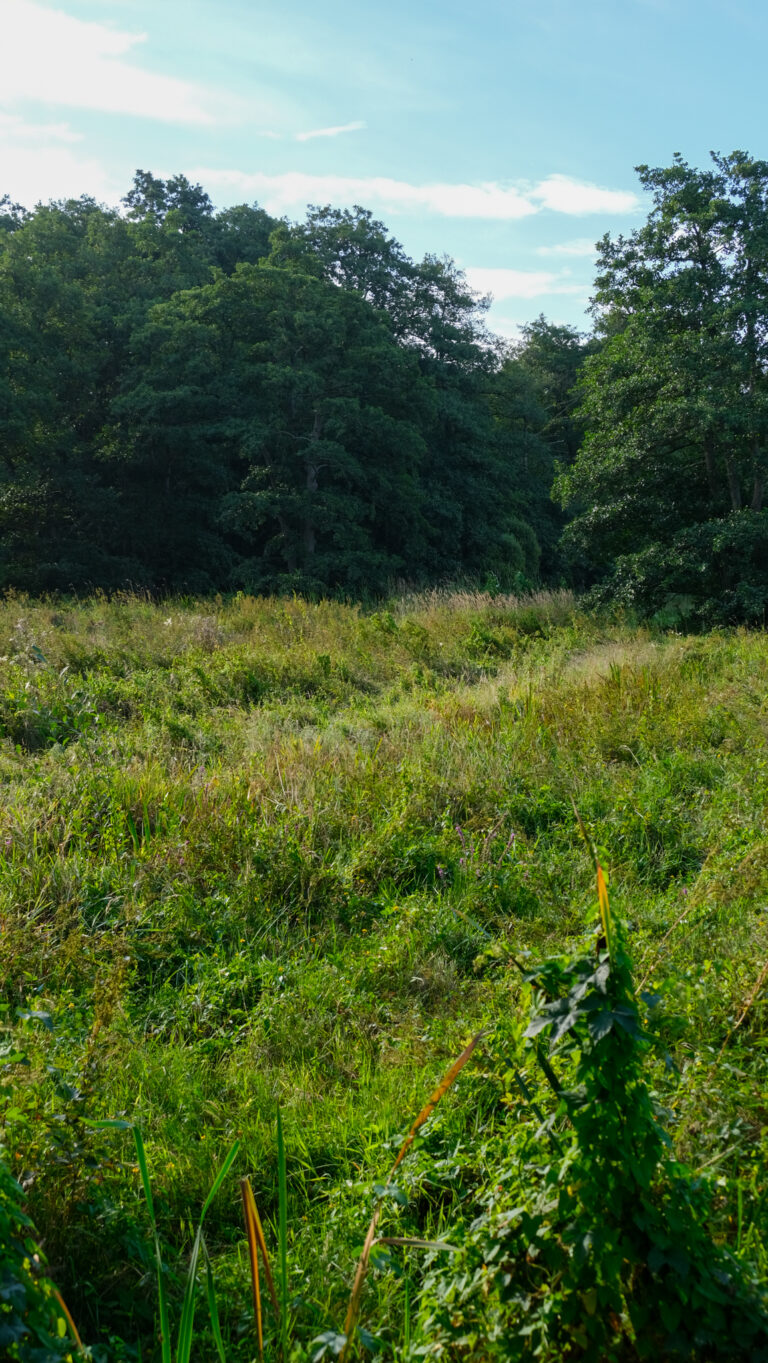
Drentsche Aa gebied, 5 jaar na bezoek, vol in groei en groen; zicht op de bloemen die zijn wedergekeerd na het project van de beekbodemverhoging

Patient nature

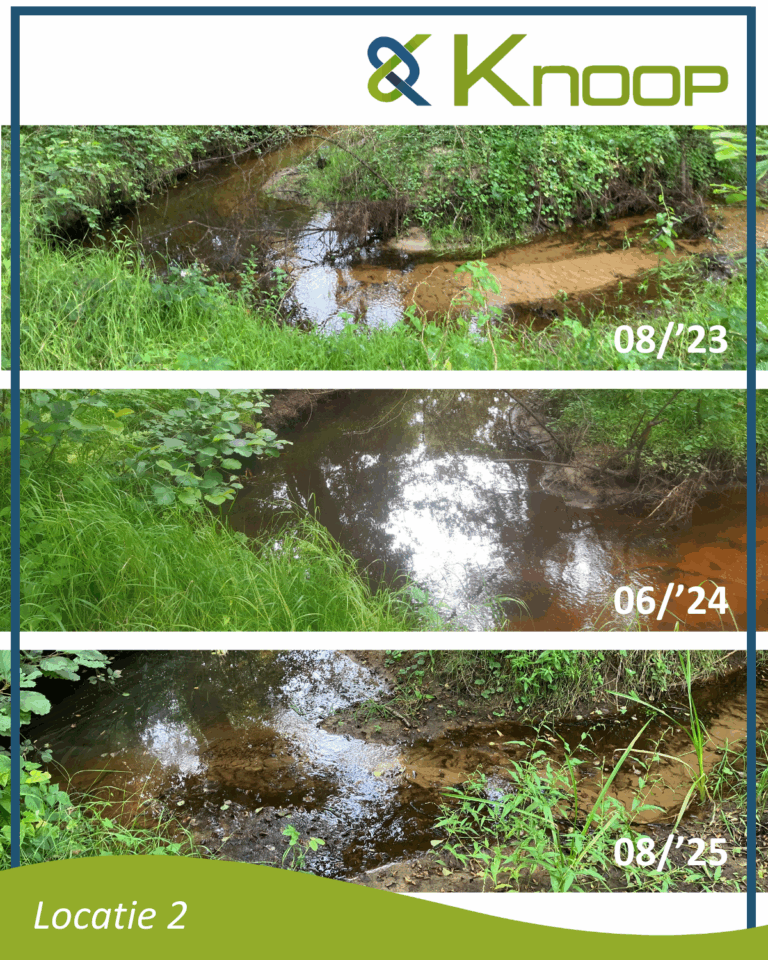
The direct effects were visible: the water level in the streams increased, the groundwater in the riparian countries recovered. But five years is short for flora and fauna. “Plants react slowly, ” says Peter Paul, “The recovery of macrofauna was more visible: aquatic animals and insects returned remarkably quickly, and fish also found their way back to the renewed stream bed. ”

Crucial was the maintenance of variation. “A stream is not a straight box, ” he explains. “You need deep pits for drought periods, coarse sand in outer bends, fine sludge in inner bends. And yes, there is still. The sand is there, even after the extremely wet winter of 2023 – 2024.

A method with potential

This method is not suitable for every area. “But where you are dealing with inaccessible peat valleys or vulnerable zones, this is a solution, ” says Peter Paul. “You avoid large machines, and you can still intervene to scale. ” Meanwhile, other water boards and nature managers are also watching with interest.

The sand is there, even after the extremely wet winter of 2023 - 2024!

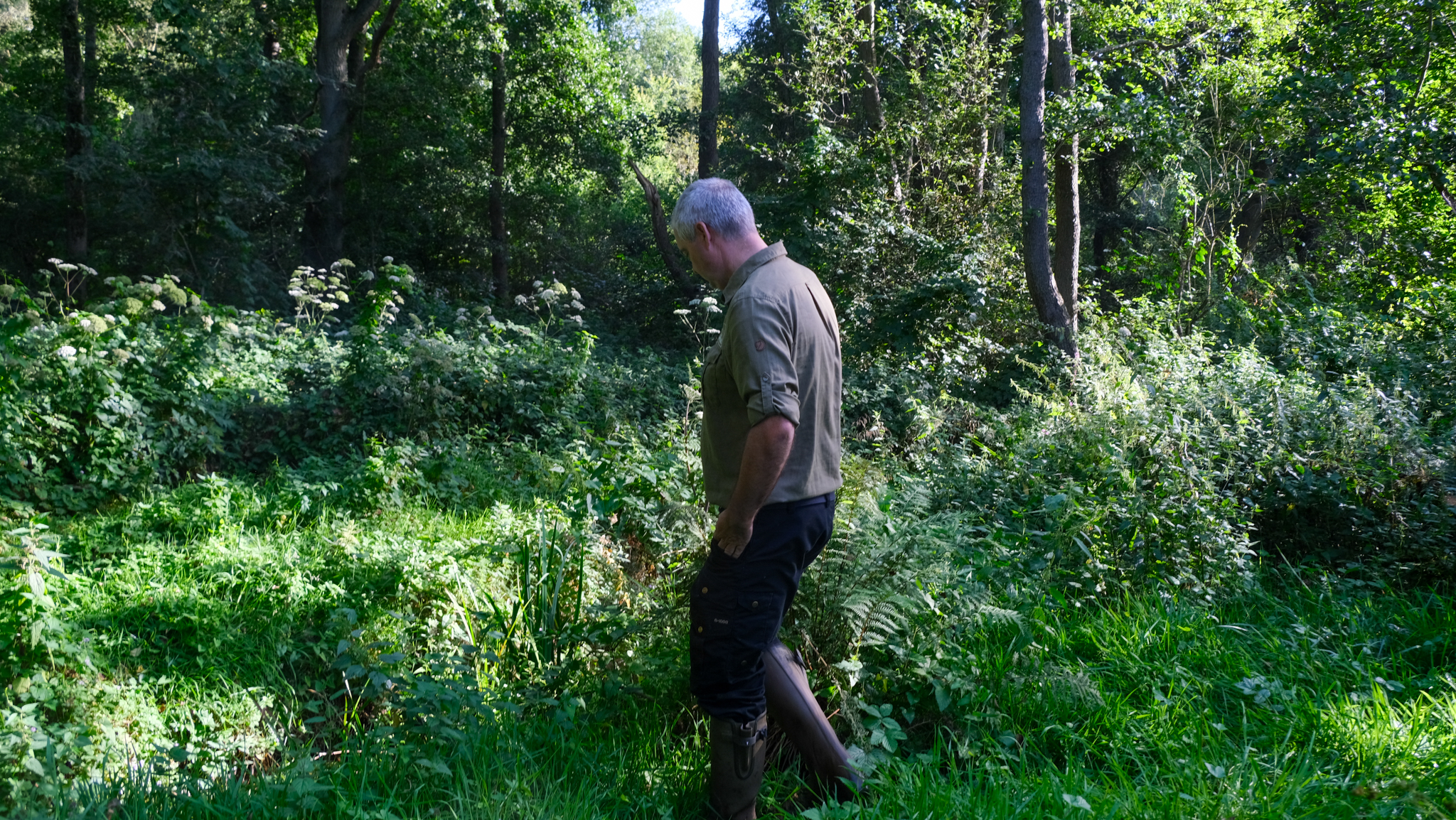
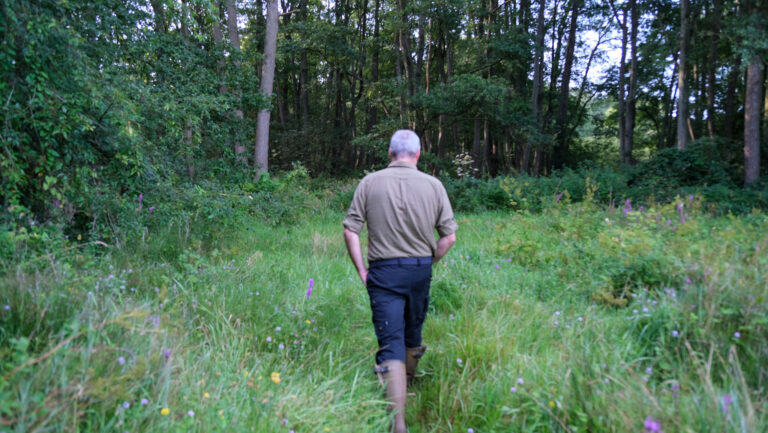
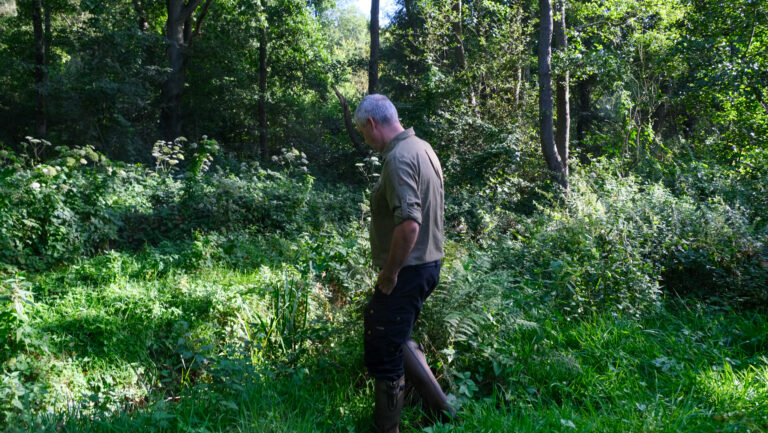
Drentsche Aa gebied, 5 jaar na bezoek, vol in groei en groen; zicht op aquatisch ecoloog Peter Paul Schollema midden in de bossen en grassen van het natuurgebied, volledig in bloei.

Learning from collaboration

What this project mainly showed is how technology and ecology can reinforce each other. “If you take each other seriously, ” says Peter Paul, “and keep talking about risks and solutions, you will come to things that you did not think possible beforehand. ” From nozzle design to wood insertion, from sand quality to delivery windows, it all came together in a precise dance between man and nature.

A permanent impression

What stayed with him the most? “The complexity, ” he says without hesitation. “Ecology, archeology, hydrology, chemistry; everything comes together. You think: we bring in some sand. But you are talking about hundreds of decisions, constantly switching, adjusting, monitoring. And we did that together. That’s the best thing.

And we did that together. That is the most beautiful.

Picture of Rianne Knoop

Rianne Knoop

Part of the organization all her life, but an active part of the (marketing) team for a few years now. Creating value and beautiful content to show why Knoop BV is so valuable for the living environment of people, animals and plants.

LinkedIn

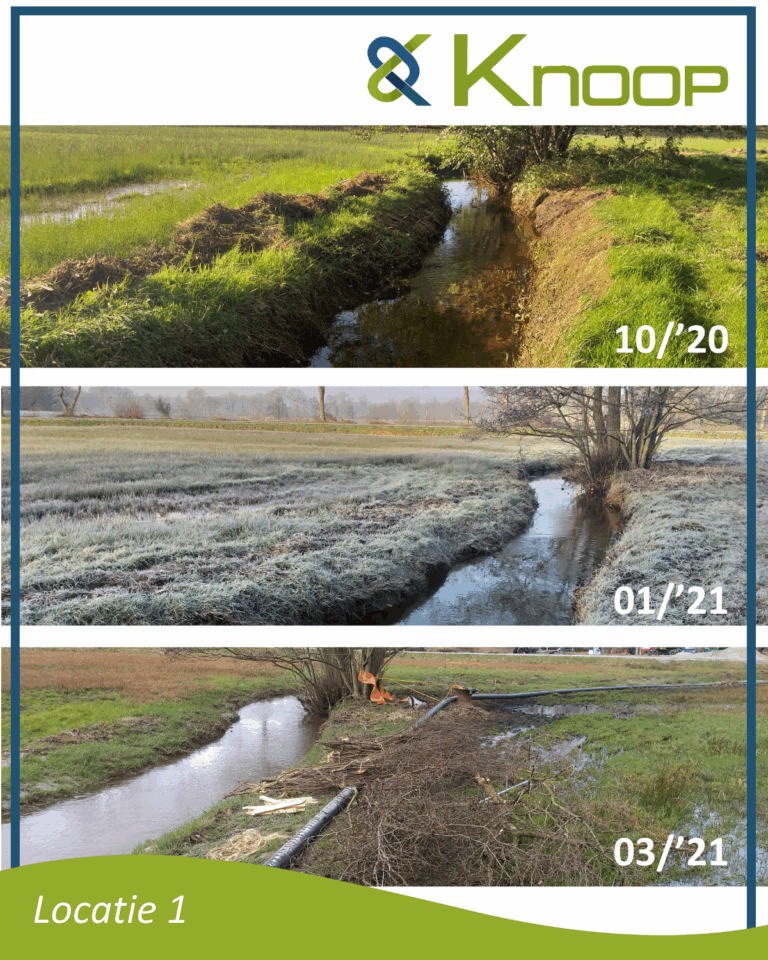
Curious about the project of the brook bottom elevation? With our reference page you will learn how we looked at it and what we have used for the best results.

Leave a Reply

Your email address will not be published. Required fields are marked *